Structural openings, insulation, lining, joinery, power and full fit-out — designed and built in our own Queensland workshop by people who also sell and deliver the container.
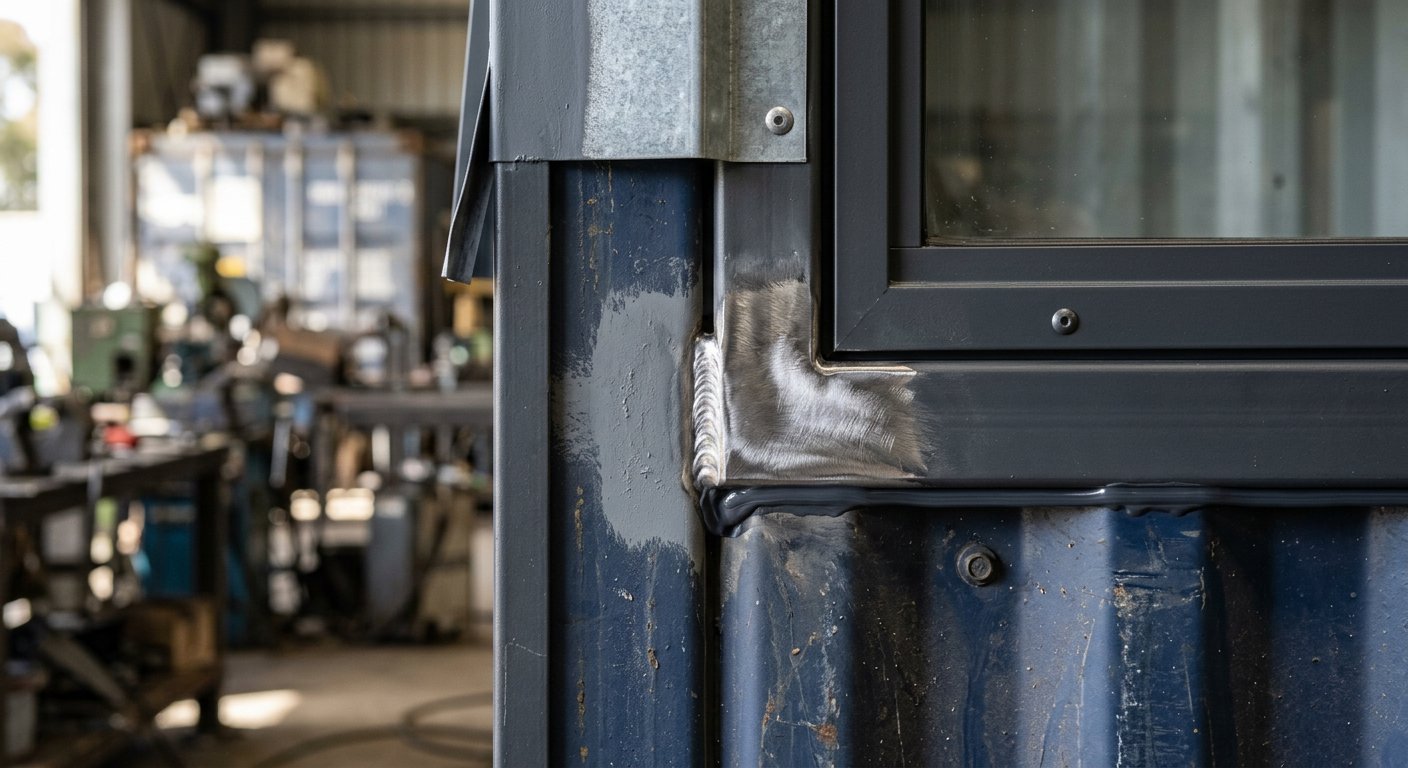
Cut a shipping container in the wrong place and you lose the frame's ability to carry load. It will not fail on the day — it sags months later, and the doors stop closing.
We cut with the corrugation and the rails in mind, reinforce every opening, and finish the edges properly so water never gets behind the lining. The person who quotes the job signs off the build.
Structural openings with welded reinforcement and flashings
Framing, insulation and lining to the intended use
Electrical rough-in and fit-off by licensed trades
Delivery after the build, not before it
Capability
What we build.
Almost anything that can be built into a steel box. Below is what we are asked for most often — if it is not listed, ask anyway.
Openings
Personnel doors, double doors, roller shutters, serving hatches and full side-access openings with removable posts.
Windows
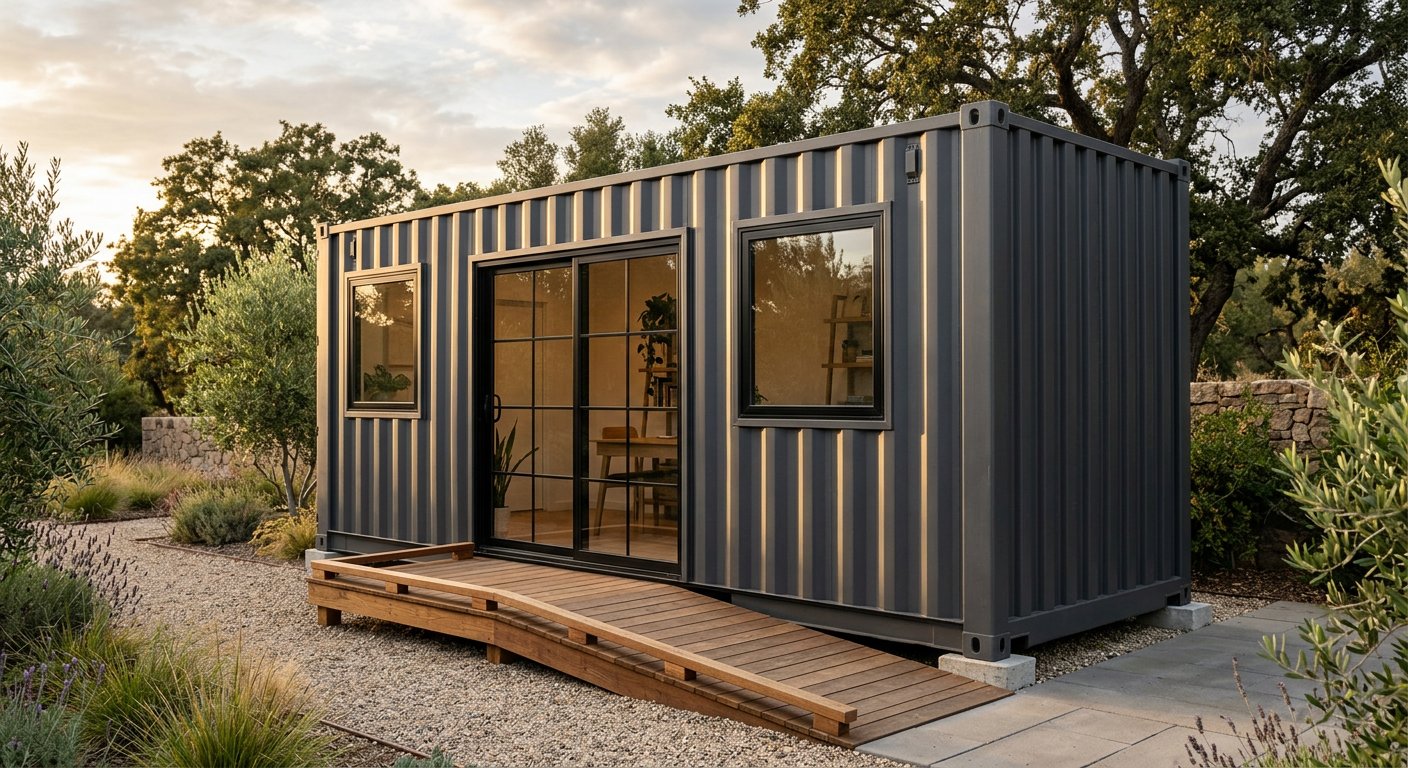
Aluminium or steel-framed windows, fixed or opening, with security screens, hoods and welded flashings.
Insulation & lining
Spray foam or batt insulation, ply or melamine lining, vinyl and carpet, with the condensation detail done properly.
Fit-out
Benchtops, joinery, shelving, partitions, wet areas, air conditioning, lighting and switchboards.
How a modification runs
Scope and site visit
We confirm the layout, the services available and whether the finished unit can be delivered to your position.
Drawn and quoted
A simple plan of the layout, a schedule of what is included, and an itemised price before any steel is cut.
Built in the workshop
Structural work, framing, services rough-in, lining and finish. Progress photos shared as it moves.
Delivered finished
Delivered to site ready to connect. Where site conditions allow, final fit-off happens after set-down.
Container Modification — the detail that matters is below, written for this business rather than for the industry in general.
Modification is where a shipping container stops being a box and becomes the space you actually needed. A door where the doors are not. A window where there is none. Insulation, lining, power, a partition wall, a servery, a shower.
All of it is done in our own workshop rather than subcontracted. That matters less for the welding than for the quoting: when the same team quotes the work and does the work, the scope can be specific instead of approximate, and the conversation about what changed halfway through is shorter.
What follows covers container modification: what is included, what is quoted separately, what we do not claim, and what to send us to get a firm number. It is written to be read before you commit rather than after.
Container Modification: how a modification is scoped
Modification starts with a purpose and a constraint. The purpose determines what is built; the constraint — budget, timeline, or an inspection it has to pass — determines how. A door in a flat panel is a different job from a door in corrugation. Windows in a lined space differ from windows in a bare shell. Power depends on whether it needs certification for the intended use.
A sketch and a description is enough to quote. The work is done in our own workshop, so the scope can be specific rather than a range, and changes mid-build are a conversation rather than a dispute.
What drives the cost of a modification
Four things drive cost. Cutting the structure — every opening needs framing and sealing, and openings in corrugation cost more than openings in flat panel. Services — power, plumbing and lighting add both material and certification. Finish — lining, insulation and flooring are labour-heavy. And access — working on a unit in a tight yard costs more than working on one with room around it.
What does not drive cost is the size of the unit, except where it changes how much of the above is needed. A big unit with a door and a light is cheaper to modify than a small unit with a bathroom.
What container grades actually mean
Container grades describe fitness for use, not appearance. Cargo-worthy means the unit would still be accepted for freight: structurally sound, watertight, no holes through the panels. Wind and watertight means it keeps weather out, without any claim about freight certification. As-is means the faults are disclosed but not rectified.
Cosmetic marks — scuffs, faded paint, old decals, small dents that do not affect the frame — are consistent with any working grade and are not defects. A hole through the panel, a soft floor, a seized lock or a bent frame would be. The distinction matters because buyers sometimes reject a perfectly sound unit over paint, and sometimes accept a structurally compromised one because it looks tidy.
How delivery is quoted
A delivery quote is built from distance, equipment and access. Distance is the easy part. Equipment depends on whether the unit can be tipped off a tilt-tray, side-loaded, or has to be craned into place. Access determines whether the truck can get close enough for any of those to work.
We ask for a description of the approach because the most common delivery failure is a site that matched the postcode but not the truck. Narrow streets, low branches, overhead lines, steep drives, soft ground and tight gates all change the plan.
What this site does not claim
There are things a container listing is often expected to state that this site deliberately does not. We do not publish a warranty period, because the honest term depends on the unit, the use and the site. We do not publish stock quantities, because they change daily and a stale number is worse than no number. We do not publish delivery prices, because delivery is a function of distance and access and a published price would be wrong for most buyers.
What we do instead is answer those questions specifically when asked, against the unit and the postcode in front of us. A quoted answer is worth more than a published average, and it cannot mislead someone whose situation differs from the average.
How to get a price
Send the product name and your postcode. Add a photograph or description of the approach and the drop point if the site is anything other than open, level and clear. That is enough to come back with a delivered price rather than a unit price plus an unknown.
If the layout needs changing, describe the change at the same time so the modification and the delivery can be quoted together. Two quotes for one job are slower and usually worse than one quote for the whole job.
Questions about this page
What does container modification include?
Personnel doors, roller shutters, full side-access openings, windows with welded frames, insulation, lining, vinyl, joinery, switchboards, lighting and air conditioning.
How much does container modification cost?
It is quoted once the layout is known, because the honest answer is that it depends on what is being built. A door in a flat panel is a different job from a door in corrugation.
Is container modification done in-house?
Yes. The structural work, framing, lining and electrical rough-in all happen in our workshop rather than being subcontracted, which is why a scope can be quoted instead of a range.
Does modification affect a container’s structure?
Cutting into a shell does, which is why openings are framed and the load path is maintained rather than a hole being cut and edged. On a hired unit, no alteration is permitted without agreement.
Can container modification add plumbing?
Yes. Ablution and kitchen fit-outs are plumbed for mains connection, with waste tank options where mains sewer is not available.
How long does container modification take?
It depends on the scope. A single door and window is days; a full office fit-out is weeks. The timeline is quoted with the price rather than promised separately.
Does container modification need council approval?
Sometimes. If the unit is to be used as a building rather than a storage box, check the local planning rules for the use and the site before the fit-out is built, not after.
Can any container be modified?
Any structurally sound unit can. A container with a failed floor or a badly corroded frame is a poor starting point, and we will say so before taking the work rather than after.
Is container modification cheaper than buying a cabin?
Not always, and it is worth comparing. A modified container wins on durability and security; a cabin wins on being finished and delivered in one go. Both are quoted so the comparison is real.
Does container modification include electrical certification?
Power, lighting and switchboards are installed by the trade qualified people who do the rest of the fit-out. Certification is by the electrician who did the work, and the paperwork goes with the unit.
Can container modification be done on site?
Light work can be. Structural openings and full fit-outs are done in the workshop, because the weather and the tooling on a site are not what a finished job needs.
What is the first step for container modification?
Describe the space you need: what goes in it, who uses it, and whether there is power and water on site. A sketch or a photograph of the intended position is worth more than a description.
What can container modification build?
Container modification covers personnel doors, roller shutters, side access, windows, insulation, lining, joinery, power, lighting and air conditioning.
Is container modification quoted as a fixed price?
Yes, once the layout is agreed. Container modification is quoted from a drawing or a clear description, not from an hourly rate that moves.
Can container modification include a bathroom?
Yes. Container modification for ablution and kitchen spaces is plumbed for mains connection, with waste tank options where mains sewer is unavailable.
Does container modification add insulation?
Where the space is occupied, yes. Container modification for offices, crib rooms and accommodation includes insulation and lining as standard, because a bare steel box is unusable in a Queensland summer.
How much does container modification cost per square metre?
Container modification is not priced that way, because two 20ft units with different fit-outs are different jobs. The scope sets the price, and the scope is written down first.
Can container modification add a second level?
Rarely, and not to a standard shell. Container modification that changes the structural load path needs engineering, and the honest answer is usually a larger single unit instead.
What condition does a container need for modification?
Structurally sound: a floor that carries load, a frame that is square and doors that seal. Container modification on a corroded shell is money spent on a bad base.
How is container modification delivered?
Finished in the workshop and delivered as a completed unit. Container modification done on site is limited to light work, because the weather and tooling are not what a finished job needs.
Does container modification come with compliance paperwork?
Electrical work is certified by the electrician who performed it, and the certificate goes with the unit. Container modification involving plumbing follows the same principle.
Can container modification be phased?
Yes, and it is often sensible. Container modification can be built in stages across a project, provided the structural work happens first.
Does container modification work with my own drawing?
Yes. Container modification can be built to a supplied drawing, and any change needed to make it buildable is raised before the work starts rather than during it.
Can container modification be quoted from a photograph?
A photograph helps with the site, not the scope. Container modification needs the dimensions and the intended use before a number means anything.
What condition means on a container
Condition on a container is not one thing. It is a set of separate questions, and buyers who treat it as a single yes-or-no usually end up disappointed on one of them. The ones that matter are structural soundness, water tightness, the state of anything that moves, and cosmetics — and they fail independently. A container can be structurally perfect and still leak at the door seals; it can be watertight and still have a floor that gives under a pallet truck.
The grade a container is offered in is cargo-worthy, wind and watertight, or as-is. That describes what it is fit for, not how it looks. Cosmetic marks — scuffs, faded paint, old decals, minor dents that do not affect the frame — are consistent with any working grade and are not defects. What would be a defect is a hole through the panel, a soft floor, a seized lock or a bent frame, and none of those are being offered here.
How a container is inspected before dispatch
The inspection list for a container is short and unglamorous, and that is the point. It covers doors swung open and shut, door seals run by hand, floor sounded for soft spots, corner castings inspected, frame and roof photographed as found. None of it requires special equipment; all of it requires someone to actually do it rather than assume.
The reason to spell this out is that buying a container remotely is otherwise a leap of faith. You are trusting a photograph and a sentence. The inspection is what turns those into something you can act on: specific findings, recorded at a specific time, on the unit with your name on it. Anything found is disclosed before dispatch, not after payment.
Delivery and site access
Delivery is quoted against your postcode and what the truck can physically reach. That second part catches people out more often than the first. A container this size arrives on a tilt-tray truck or a side-loader, and the driver needs a clear approach, room to set down, and ground that will take the load. Overhead branches, power lines, a steep driveway, a soft verge after rain, a gate narrower than the load — any one of these can turn a straightforward drop into a failed trip.
So the question we ask before quoting is not only where you are but how the truck gets in. Send a photograph of the approach and the drop point and the quote will reflect reality. If the truck cannot reach, the answer is a crane lift or a smaller unit, and it is better to know that before the truck is loaded than when it is idling at your gate.
Delivery is available across Australia; the yard it leaves from is in Queensland.
What modification is possible on a container
Modification is quoted separately once the layout is known, because the honest answer to “how much” is that it depends on what you are trying to achieve. A door in a flat panel is a different job from a door in corrugation. Windows in a lined space are a different job from windows in a bare shell. Power is a different job again depending on whether it needs to be certified for the use you have in mind.
The work is done in our own workshop rather than subcontracted, which is why the quote can be specific. Come with a sketch, a purpose and a constraint — budget, timeline, or the fact that it has to pass an inspection — and the scope can be priced against that. Common changes for a container of this kind are site storage, secure tool lock-up and shipping and export.
Hire as well as purchase
Hire is available on a container for short and long terms, and the same inspection standard applies to a hired unit as to a sold one. That is not a marketing line: a hired container that fails on site costs the hirer a day of labour and costs us the relationship, so the incentive to check it is identical.
Hire suits a project with a known end date, a trial before committing to a purchase, or a peak that does not justify owning a unit outright. Terms are quoted against duration and delivery distance. If you are weighing hire against purchase, the useful comparison is not the monthly rate — it is the monthly rate plus delivery, collected twice, against the purchase price less whatever the unit is still worth at the end.
Buying a container instead of the alternatives
The alternative to a container is usually a site shed or a lock-up garage. That option wins on one axis and loses on others, and which axis matters depends on your site. Purpose-built structures are easier to finance and easier to insure as fixed property; a container is faster to place, easier to relocate and usually cheaper per square metre of covered space.
The question worth asking is how long you need it, and what happens at the end. If the answer is “two years then we move”, a container that can be picked up and taken with you is worth more than a cheaper structure that cannot. If the answer is “twenty years and it never moves”, the calculus changes, and it is worth saying so before you buy.
What buyers usually ask
Is the price negotiable? The price shown is the unit price. Delivery, modification and hire are separate. Ask about multiple units in one delivery — that is where there is usually room, because the saving is in the trip.
Can I inspect it first? Yes. The yard is in Queensland and inspections are welcome by arrangement. Bring a torch and a tape measure; the two things buyers most often wish they had brought are light and a way to check that the dimensions suit what they intend to put inside.
How do I pay? Bank transfer or PayID. The order number goes on the transfer reference so the payment can be matched without an email chain. Card payment is not offered because the surcharge would have to be added to the price.
What if it is not what I expected? Say so before it is modified or dispatched. Once a unit has been cut, painted or delivered, the scope of what can be undone shrinks quickly — which is why the inspection photographs exist and why we send them.
Do you deliver to my area? Delivery is Australia-wide. The quote depends on distance and access, and both are things you can influence by describing your site accurately.
What to check when it arrives
Check the unit against the photographs before the truck leaves. That sounds obvious and is routinely skipped, because the driver is in a hurry and everyone wants the job done. Ten minutes spent walking the container with the listing open on your phone is the cheapest insurance in the transaction.
Look at the four things that are expensive to fix: the floor, the door and its seals, the frame at the corners, and the roof. Everything else is cosmetic. If something does not match, note it on the delivery paperwork and photograph it before signing. A note made at delivery is a conversation about a fix; a note made a week later is a conversation about who is responsible.
Then leave it alone for a wet week before you load it, if you can. Water finds the weak point on its own schedule, and a dry week hides more than a wet one reveals.
Cost of ownership beyond the purchase price
The purchase price is the smallest part of what a container costs over its life, and the parts that follow are worth planning for. There is delivery in, and — if it ever moves — delivery out. There is the surface it sits on, which determines whether it stays level and whether the doors keep operating. There is whatever it takes to keep water out as the seals age. And there is the cost of the space it occupies, which in a city yard is not nothing.
Against that, a container depreciates far more slowly than a fitted-out building and can usually be sold into a live market rather than written off. The resale value is the reason used units hold their price, and it is the reason buying a sound used unit rather than the cheapest available one tends to work out better over five years.
Looking after a container
Maintenance on a container is mostly about water and movement. Water gets in at seals, at fixings, at anything that has been cut through the shell, and at the roof seam. Movement matters because a container that sits on an uneven surface will twist, and a twisted container stops being watertight and starts being difficult to open. Level ground and a firm base are not cosmetic preferences; they are what keeps everything else working.
The routine that prevents most problems is short. Clear leaves and debris from the roof so water does not pool. Run the doors and any other moving parts through their full travel every few months, because a mechanism that is never used is a mechanism that seizes. Look at the seals twice a year and replace them when they harden rather than when they fail. Touch up any bare metal before rust gets a hold — rust is cheap to stop early and expensive to stop late.
The terms used on this page
A few terms come up repeatedly when buyers discuss a container, and they are worth defining plainly because they are often used loosely. Cargo-worthy means the unit would still be accepted for freight — structurally sound, watertight, no holes. Wind and watertight means exactly that: it keeps weather out, without any claim about freight certification. As-is means what it says, cosmetic and functional faults disclosed but not rectified.
One-trip, sometimes called single-trip, means the unit has made one loaded voyage and is effectively new in service terms. Grade A describes the best cosmetic condition in a used band, not a structural standard. High cube refers to the extra height — around 9ft 6in against the standard 8ft 6in. Cor-ten and corten steel are the weathering steel most containers are built from. Where a term on this page is not one of these, it is being used in its ordinary sense and not as a rating.
Next step
If a container looks like the right unit, the fastest way to a firm number is to send the product name and your postcode. That gets a delivered price, which is the only price worth comparing against another supplier’s delivered price. If the layout needs changing, describe the change at the same time and both can be quoted together rather than in sequence.
If it is not quite right, say what is wrong with it. Too long, too short, wrong colour, wrong grade, wrong end of the budget — every one of those is a useful description, and it is quicker than starting the search again from the top of the catalogue.
For freight and heavy vehicle rules that apply to moving a container, see the National Heavy Vehicle Regulator. We do not give regulatory advice, and nothing on that site is specific to this business.
Ten builds we finished ourselves — site offices, workshops, kiosks, cool rooms and more.
Out of the workshop
Recent builds.
Ten builds out of the shed lately. Every one of them started life as a plain container, and every one has its own photographs — no stock filler, no repeats.
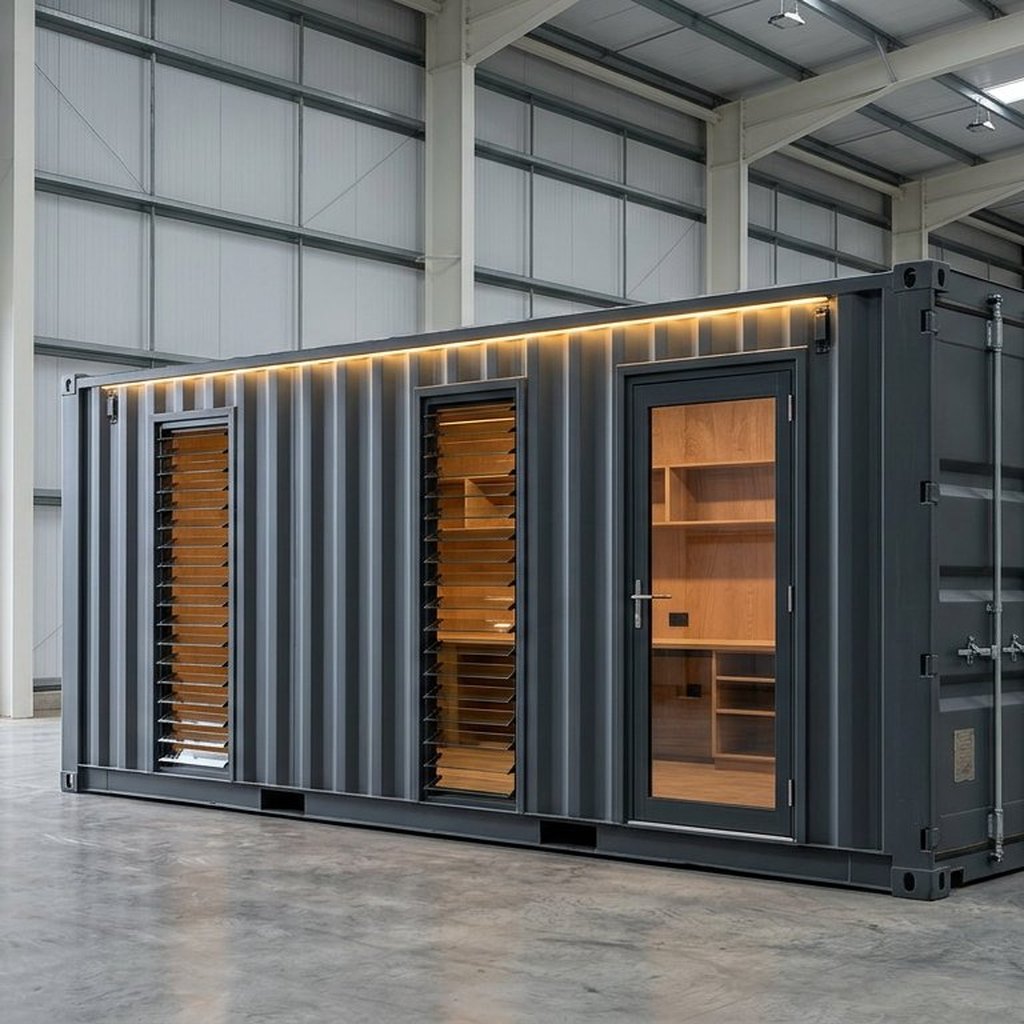
20ft Site Office
20ft Site Office
Two louvre windows and a glazed door framed into the long side, ply-lined inside, power run to a board and a desk built in. Craned onto a Brisbane build and occupied the same week.
42,870 views2,418 comments
What people are saying
D
Dane WhitcombeNundah, QLD★★★★★
Ripper job fellas. Saw this one go out and the finish on the door frame is better than my house.
S
Sarah DelaneyTownsville, QLD★★★★★
We run three of these site offices on our jobs now. Two years in and not one drop of water inside.
K
Kane FitzgeraldBathurst, NSW★★★★★
Fair dinkum the lining is neat. Our fellas have trashed worse offices than that in a fortnight.
M
Marnie BucklandKalgoorlie, WA★★★★★
Rang about a quote after seeing this. Straight answers, no mucking about.
40ft Workshop
40ft Workshop
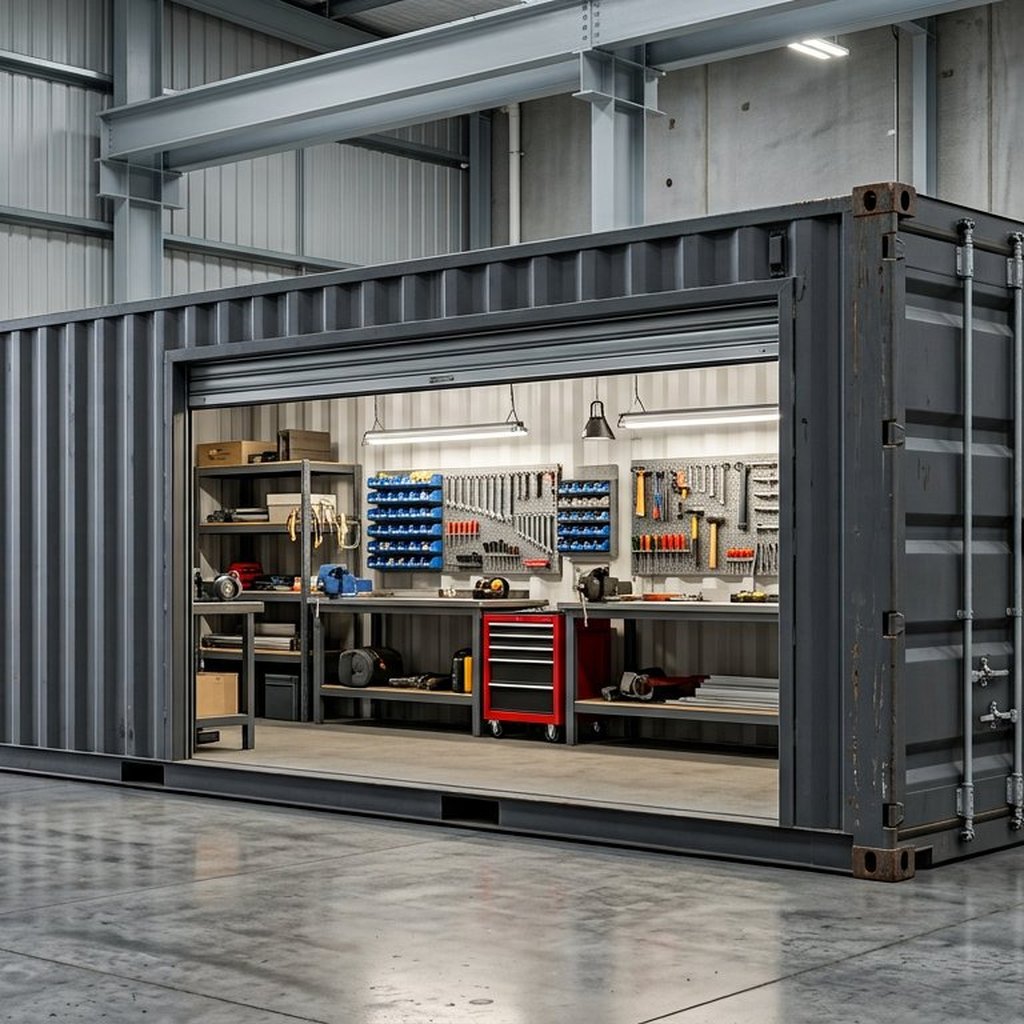
A full-width roller door cut and lintelled, benches down one wall, tool boards and LED strip lighting. The doors still seal, which is the bit most blokes forget when they start cutting.
38,112 views2,107 comments
What people are saying
B
Bruce TallonWagga Wagga, NSW★★★★★
That roller door looks spot on. Most cowboys just cut a hole and hope for the best.
T
Tyrone EllisGeelong, VIC★★★★★
Put a workshop setup like this on our block. Best thing we did, everything under one roof now.
J
Jodie KimptonBundaberg, QLD★★★★★
Love that the benches are built in. Saves a weekend of swearing.
R
Ravi NaiduLiverpool, NSW★★★★★
The LED strip lighting is a nice touch. Heaps brighter than the old fluoro tubes we had.
Ablution Block
Ablution Block
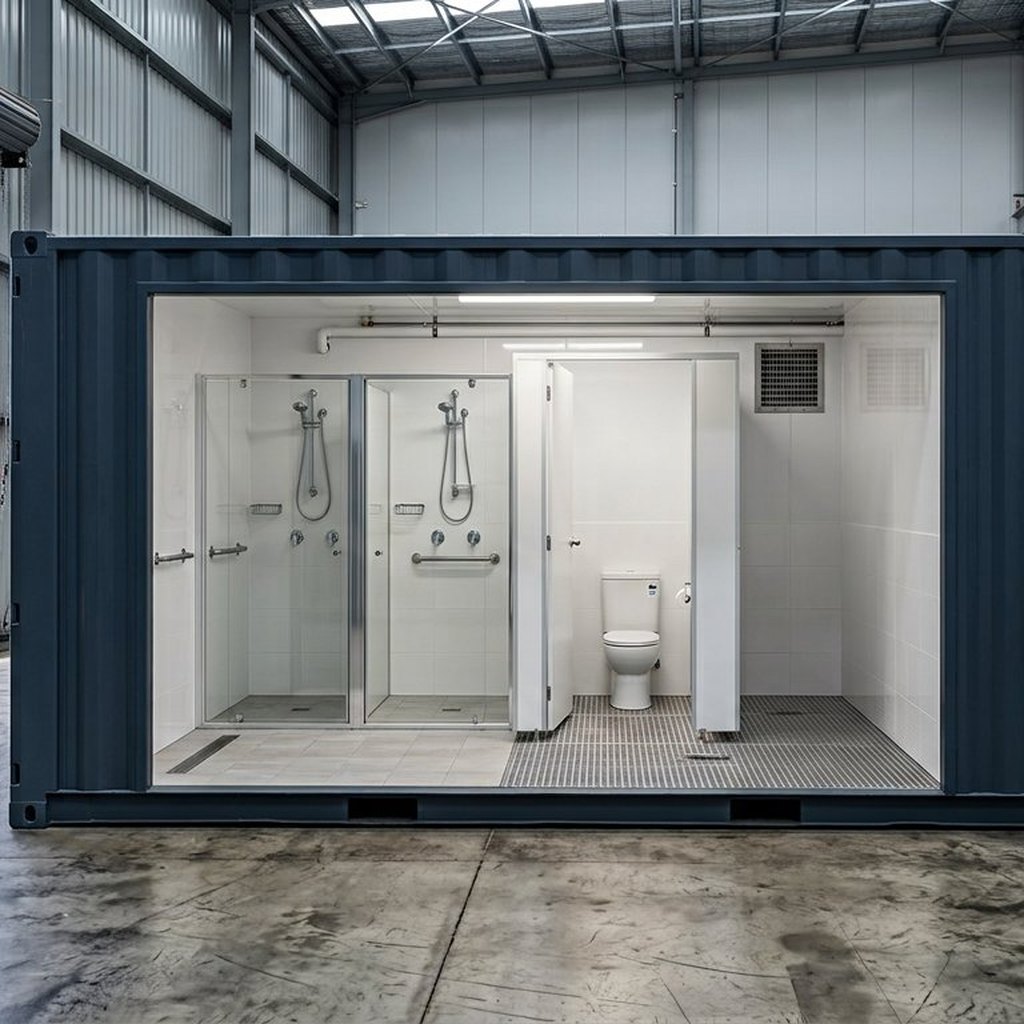
Two showers and a dunny in a 20ft, wet-area lined, floor graded to a single waste. Straight onto a mine camp and plumbed in a day.
35,640 views2,264 comments
What people are saying
D
Donna CrerarRockhampton, QLD★★★★★
We hired one of these for our camp and the crew said it was better than the donga showers. High praise.
S
Simon PascoeBurnie, TAS★★★★★
Graded to one waste is the smart bit. Plumbing was done in half a day.
L
Leanne FarrowWhyalla, SA★★★★★
Looks properly waterproofed. That is where the cheap ones fail.
C
Cameron UttleyDubbo, NSW★★★★★
Any chance of a six-cubicle version? Reckon half the district would want one.
Cafe Kiosk
Cafe Kiosk
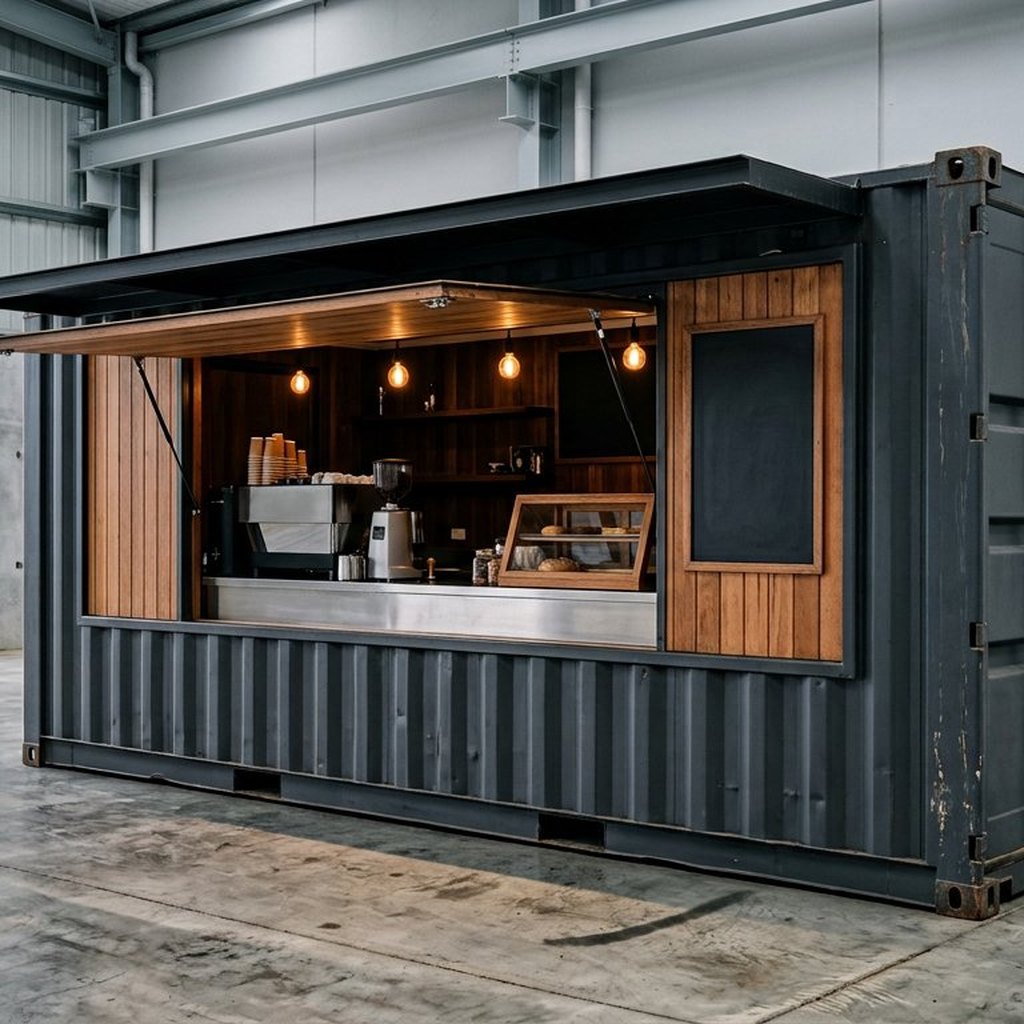
Timber-clad hatch on gas struts, stainless bench, power for the coffee machine and a servery that catches the morning sun. Sold before it left the workshop.
44,905 views2,531 comments
What people are saying
G
Georgia MullinsByron Bay, NSW★★★★★
This is the kiosk at the market we go to every Sunday. Coffee is unreal and the fit-out is gorgeous.
H
Hamish DoddsBendigo, VIC★★★★★
The timber hatch on struts is a ripper idea. Ours just props open with a stick.
P
Priya ChandrasekarGlenelg, SA★★★★★
Booked a build after seeing this. Can not wait to see it finished.
N
Nathan BoorerCairns, QLD★★★★★
Looks better than most cafes in town and it is in a shipping container. Bloody good.
Swimming Pool
Swimming Pool
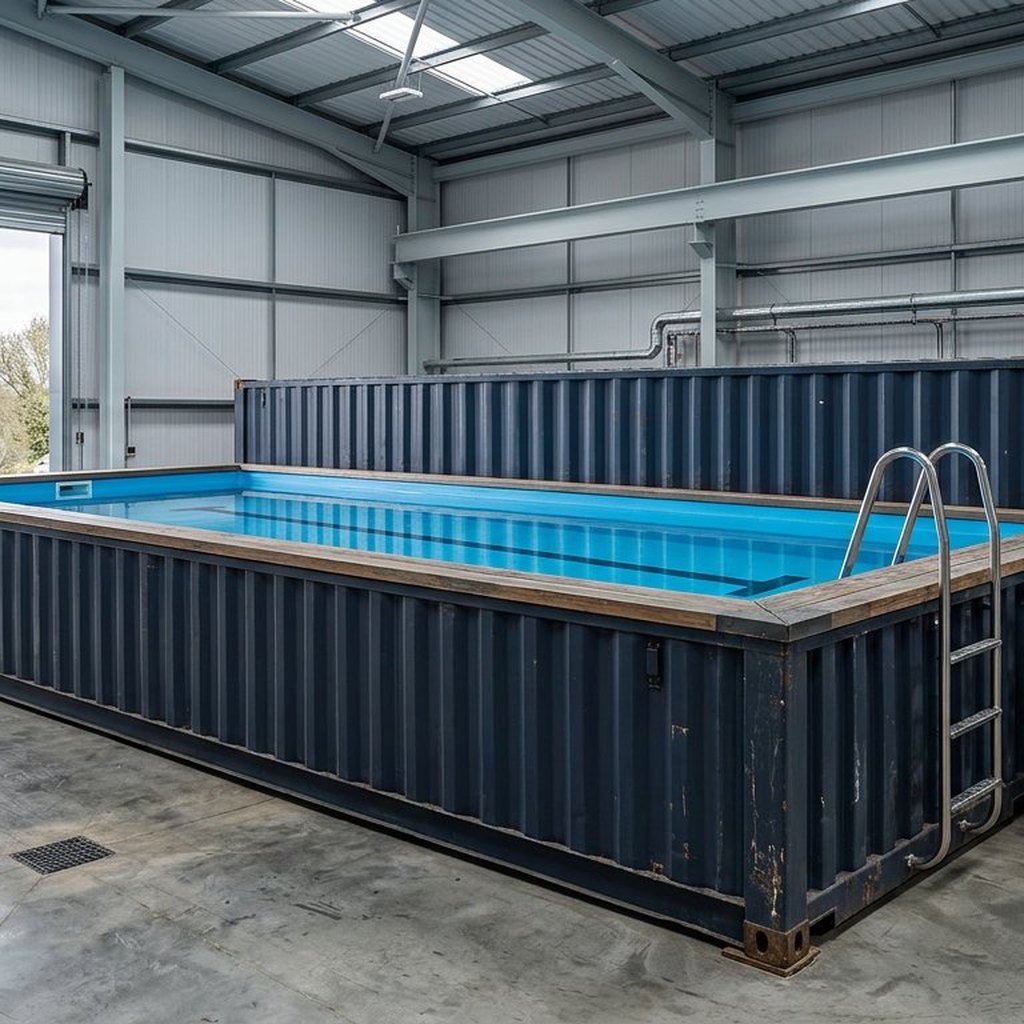
Lined, sealed, decked in timber and plumbed to a plant room in the end bay. Ten weeks from shell to first swim, and the neighbours reckon it is the best money they have spent.
51,234 views2,802 comments
What people are saying
T
Trent HollisGold Coast, QLD★★★★★
Swam in this one at a mate’s place. Water was perfect and you wouldn’t know it was a container.
M
Michelle AndertonPerth, WA★★★★★
Been umming and ahhing about one for two years. This just made up my mind.
D
Darren QuigleyToowoomba, QLD★★★★★
Deck work is top notch. No trip hazards, no gap under the rail.
A
Alisha PenroseNewcastle, NSW★★★★★
How long does the lining take to cure before you can fill it? Keen as mustard to get ours going.
40ft Cabin
40ft Cabin
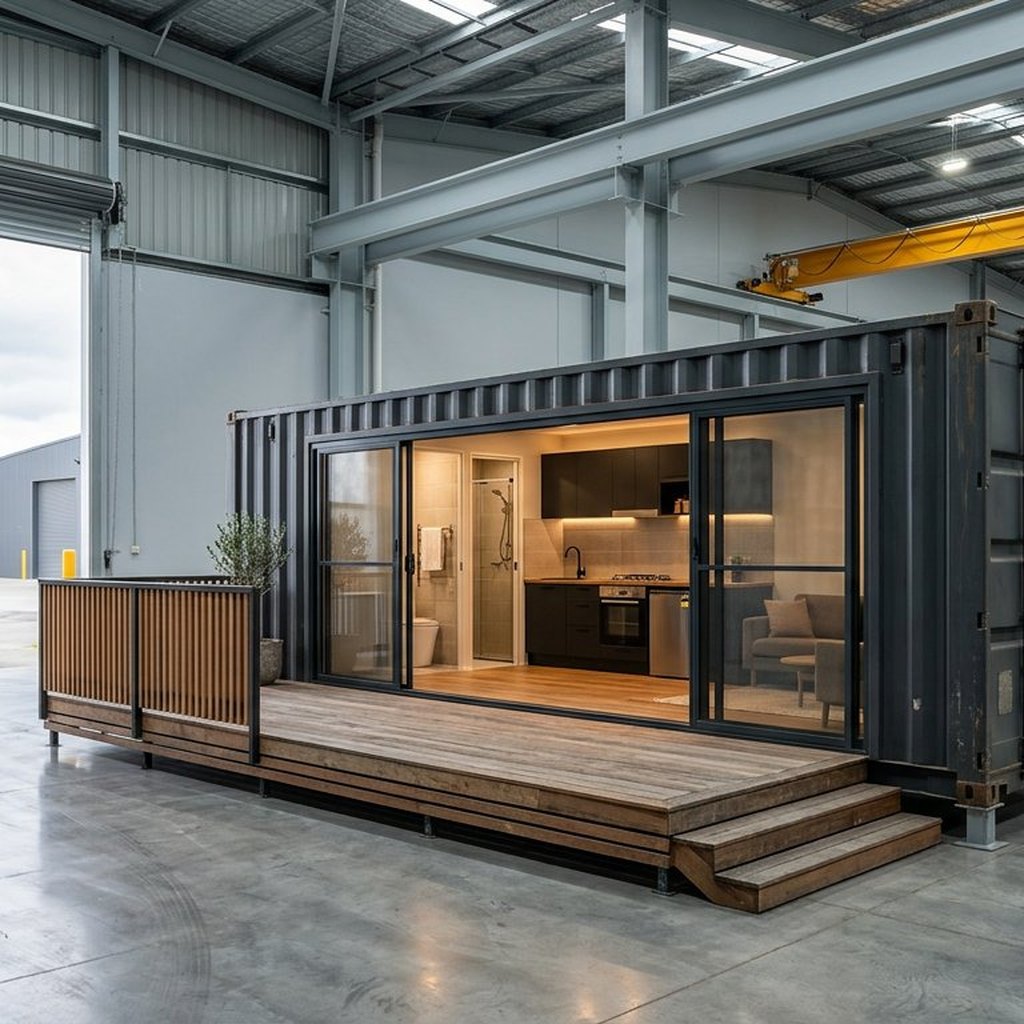
Sliding glass doors, a deck off the front, kitchenette and a proper bed inside. Insulated so a Queensland summer does not cook you at two in the arvo.
47,318 views2,615 comments
What people are saying
K
Kirsty MoffattSunshine Coast, QLD★★★★★
Stayed in this cabin over Easter. Warm at night, dry in the rain, and the deck is magic at sunset.
B
Brett CallaghanDevonport, TAS★★★★★
Insulation is the difference. Got a mate with a tin shed cabin and it is an oven by ten in the morning.
A
Anneke VisserBunbury, WA★★★★★
The kitchenette is proper clever. Full sink, full cooktop, no cramping.
J
Josh DelahuntyMackay, QLD★★★★★
Looks like a little beach shack, not a container. Love it.
Cool Room
Cool Room
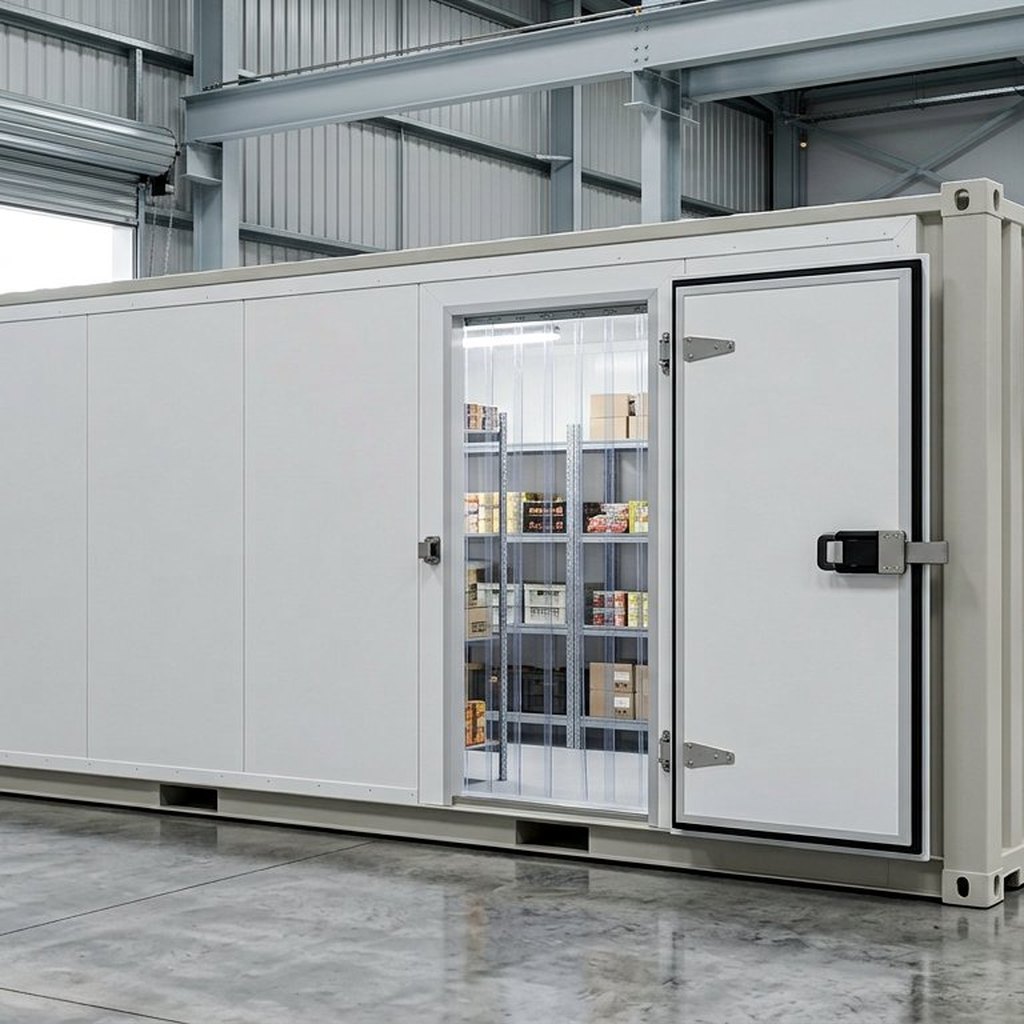
White insulated panels, a heavy cold-room door and a silver interior you could eat your lunch off. Holding temperature for a smallgoods bloke down the coast.
33,102 views2,043 comments
What people are saying
G
Gary PenfoldShepparton, VIC★★★★★
Our cool room has been running for eight months through a stinking hot summer. Held temp the whole way.
R
Rebecca LonerganCoffs Harbour, NSW★★★★★
The door hardware on these is the business. Heavy enough that it actually seals.
V
Vinnie CarlucciGriffith, NSW★★★★★
Panels look properly fitted. No gaps, no condensation on the walls. Good work.
K
Kylie AshdownPort Augusta, SA★★★★★
What size compressor do you pair with one of these? Chasing a quote this week.
Retail Shopfront
Retail Shopfront
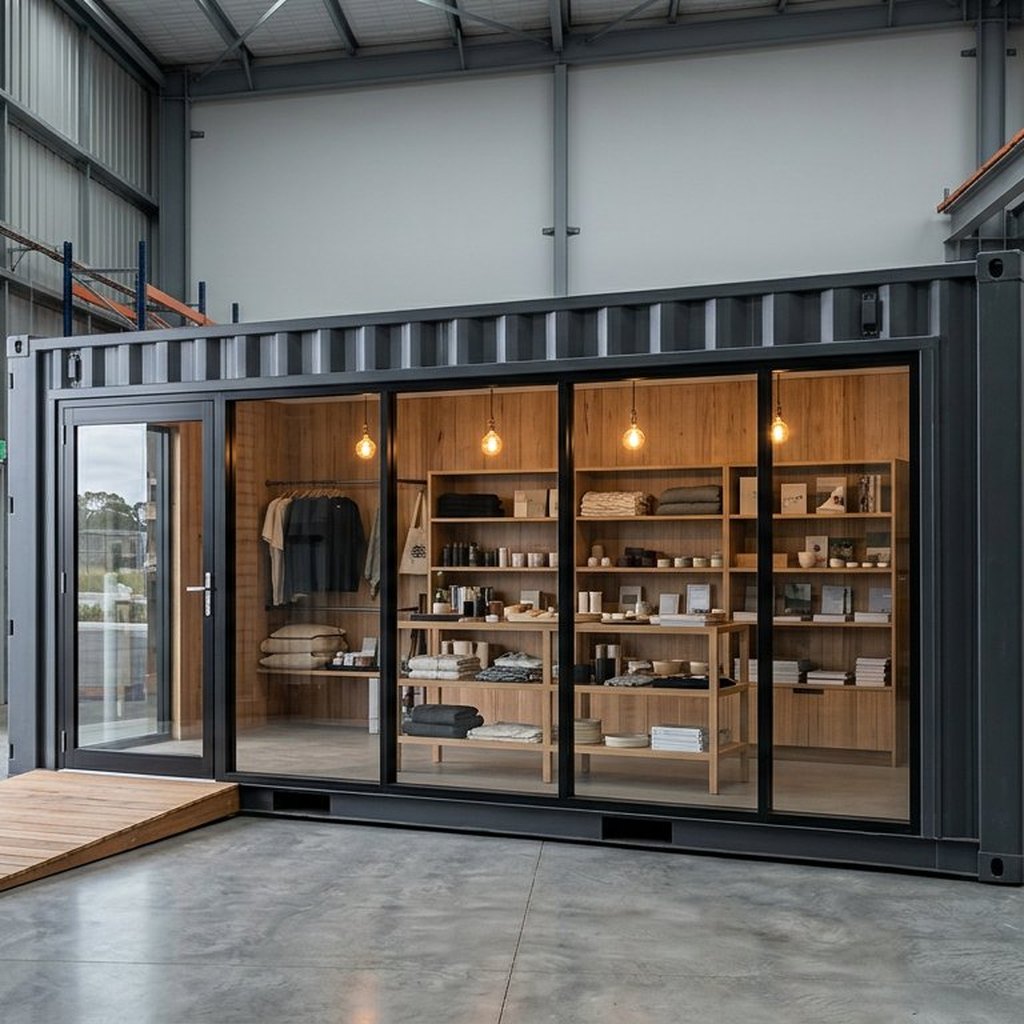
Full-height glass frontage, timber shelving and pendant lights. A container shopfront that does not look like a container, according to the owner who keeps sending us photos of the queue.
39,766 views2,189 comments
What people are saying
M
Monique TreloarNoosa, QLD★★★★★
This is our shop! Customers are forever asking where the building came from. Best decision we made.
S
Steve BartramBallarat, VIC★★★★★
Glass frontage on a container is a gutsy call and it has come up a treat.
H
Hayley OkonjoMiranda, NSW★★★★★
The pendant lights are a lovely touch. Looks like a boutique, not a box.
L
Luke TrenamanGeraldton, WA★★★★★
Any dramas with heat through that much glass? Looking at doing something similar.
Home Gym
Home Gym
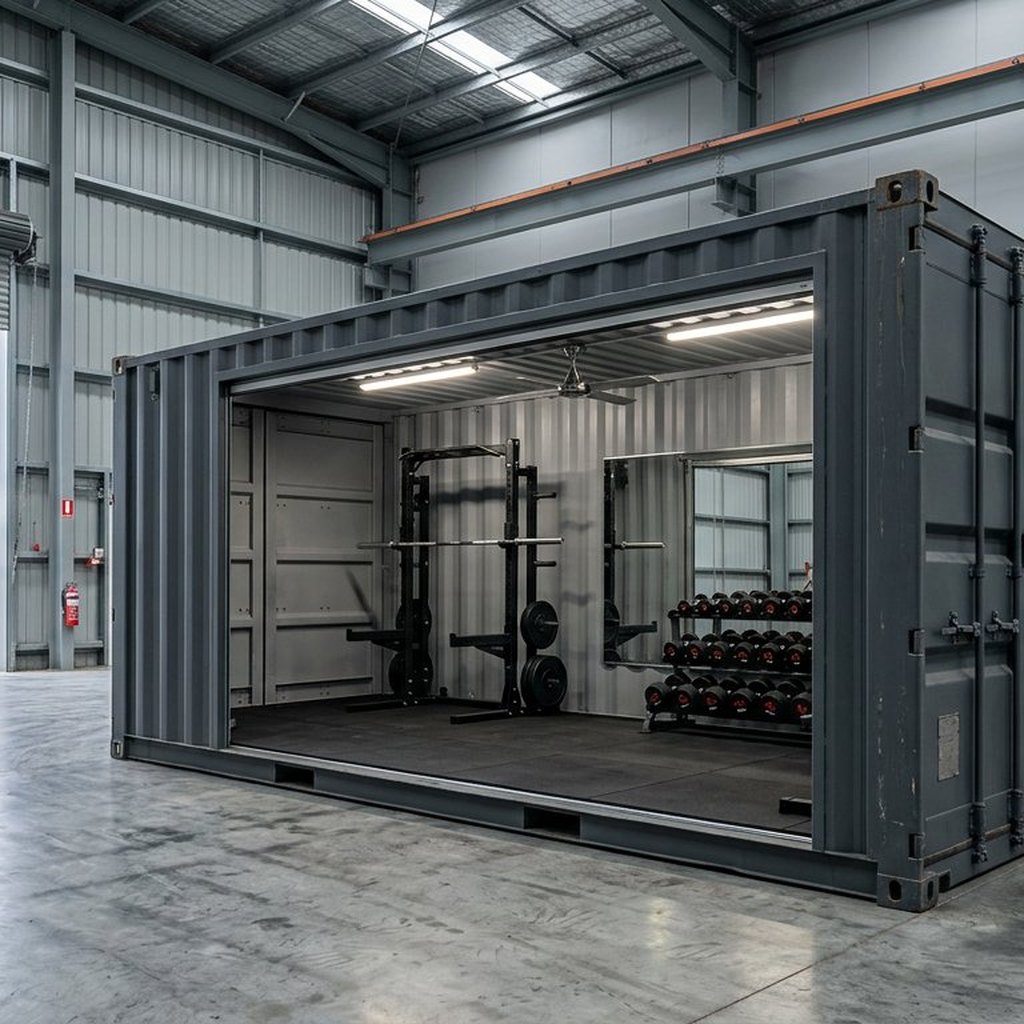
Rubber floor, squat rack, dumbbell rack and mirrors. Roller door open, fan going, tunes on. Cheaper than a year of city gym fees and nobody else touches the bar.
41,588 views2,340 comments
What people are saying
J
Jarrod KinsellaPenrith, NSW★★★★★
Trained in one of these at a mate’s place. Rubber floor makes all the difference, no slipping when you are sweating.
N
Natasha IlicAdelaide, SA★★★★★
Finally a gym where nobody is filming themselves. Love the setup.
W
Wes DonoghueIpswich, QLD★★★★★
Roller door open, fan on, tunes going. That is living.
B
Bianca TrethowanHobart, TAS★★★★★
How do you stop the plates rusting in winter? Ours got a bit of surface rust in the shed.
Two-Storey Storage
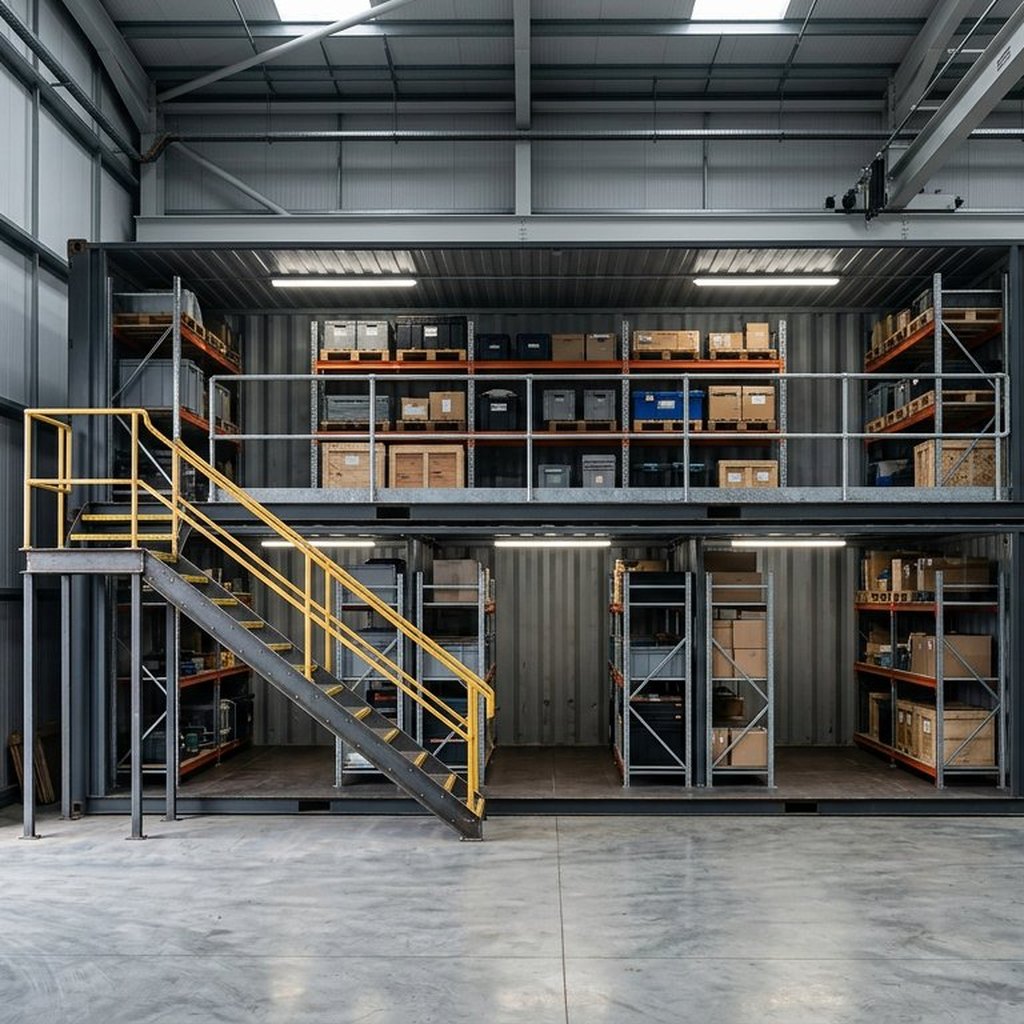
Two-Storey Storage
Internal mezzanine and stair, pallet racking both levels, LED downlights throughout. Doubled a bloke’s shed space without buying another inch of dirt.
36,744 views2,201 comments
What people are saying
N
Neil BraithwaiteBairnsdale, VIC★★★★★
Two levels in a forty footer is genius. We doubled our parts storage and did not lose a metre of yard.
F
Fiona McAuleyLismore, NSW★★★★★
The stair is solid as a rock. No wobble, which is more than the last one we had.
A
Angus KinderEsperance, WA★★★★★
LED downlights everywhere. Can actually find things now.
T
Tania VercoeBatemans Bay, NSW★★★★★
Reckon this would suit our chandlery perfectly. Sent an enquiry this arvo.
The crew
Who builds it.
No subcontractors on the structural work and no revolving door of casuals. Eight people, most of whom have been here longer than the coffee machine.
Sam Whitford
Workshop Manager
26 years on the toolsCert III Engineering – Fabrication Trade; confined space and dogging tickets
Ran his own fabrication shop in Rockhampton before we talked him into running this one. Sam has forgotten more about container steel than most blokes will ever learn — if he says an opening needs another stiffener, it needs another stiffener.
Priya Raman
Structural Engineer
12 years in structural designBEng Civil (Hons), RPEQ registered
Signs off every opening we cut. Priya can tell you in about ninety seconds whether a wall is doing shear work or just holding paint, and she has never once let a build go out that she would not put her own name to.
Kwame Boateng
Fabrication Lead
18 years weldingCert III Engineering – Heavy Fabrication; AS 1554 weld certification
The neatest MIG run in the shed, and the bloke who trains the apprentices to do the same. Kwame has welded reinforcement frames into more containers than anyone else on the east coast, and not one has come back.
Isabella Rossi
Fit-out Joiner
15 years on fit-outsCert III Cabinet Making; shopfitting fit-out experience
Turns a steel box into something that feels like a room. Isabella measures twice, cuts once, and has an unhealthy obsession with doors that close without a click. Every cabin and kiosk on this page has her fingerprints on it.
Minh Nguyen
Electrical Supervisor
21 years licensedLicensed electrician (QLD), cert IV in electrical instrumentation
Runs every circuit in every fit-out and refuses to hand over a board he would not be happy to show an inspector. Minh can wire a site office, a cool room and a kiosk in the same week without breaking a sweat.
Tui Fa’alogo
Insulation & Lining
10 years lining containersCert II Construction; thermal and acoustic lining specialist
The reason a cabin stays comfortable at three in the afternoon when it is thirty-eight outside. Tui lines a container like he is building a house, because that is exactly what he is doing.
Aroha Ngata
Painter & Finisher
9 years finishingCert III Surface Preparation and Coating
Preps every cut edge the same day it is made so nothing starts rusting behind the paint. Aroha is fussy about flashings, fussy about overspray and the reason our builds look sharp in photos rather than just standing up.
Dale Kurnoth
Delivery & Install Coordinator
17 years moving containersHeavy rigid licence, dogging and rigging basic, 4WD recovery
Gets the finished build from the workshop to your block without rearranging your fence. Dale has set down units on blocks from Cairns to Kalgoorlie and reckons he has only ever had to use the crane twice for a spot he could not reach.
How can we help?Email us – we reply as soon as we can


 20ft Site Office